

Login
Log in if you have an account
Register
By creating an account with our store, you will be able to move through the checkout process faster, store multiple addresses, view and track your orders in your account, and more.
Create an accountPractical Guide to Renovating Your Bathroom: Budget, Tips, and Essential Steps
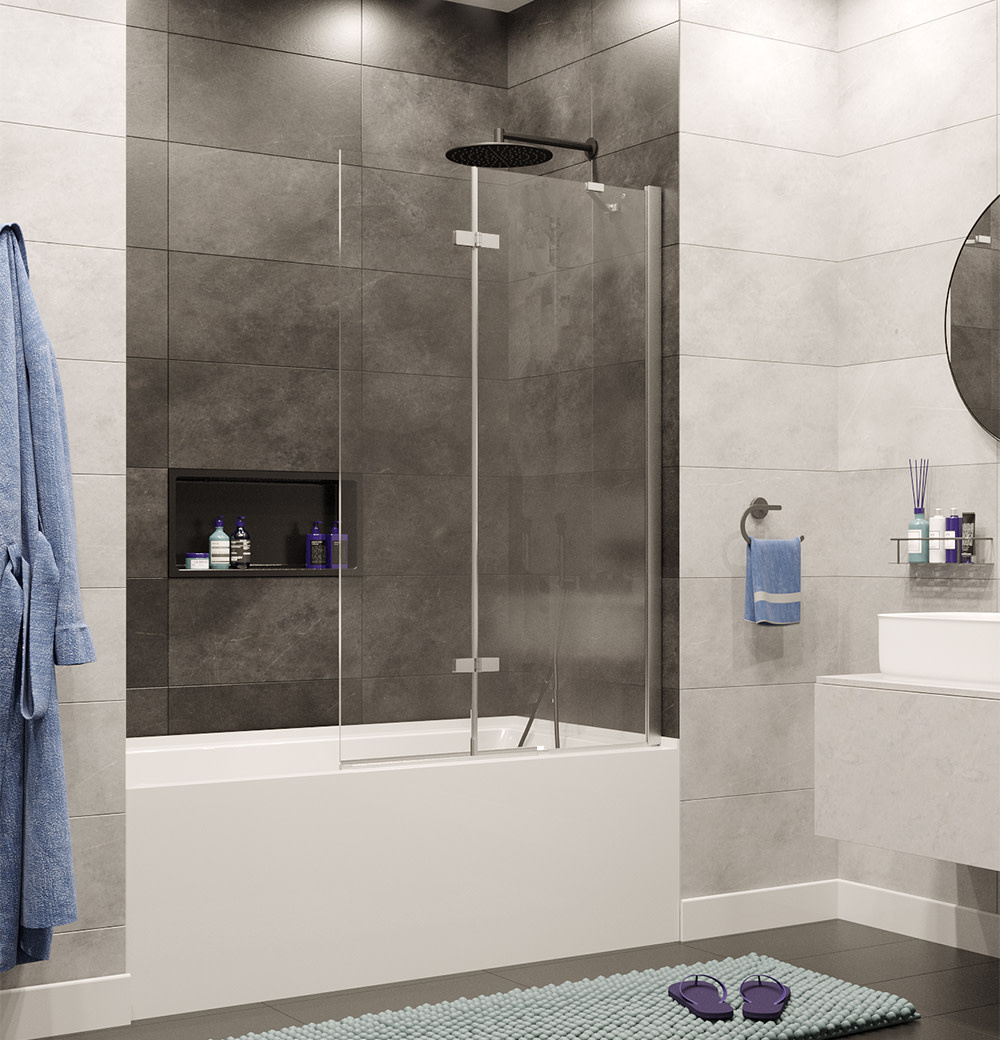
Practical Guide to Renovating Your Bathroom: Budget, Tips, and Essential Steps
Renovating a bathroom requires careful planning. You need to set a realistic budget, choose the right materials, follow clear steps, and avoid common mistakes.
The budget mainly depends on the size of the room, the choice of furniture, and labor costs. The essential steps include assessing needs, preparation, demolition, installation, and finishing.
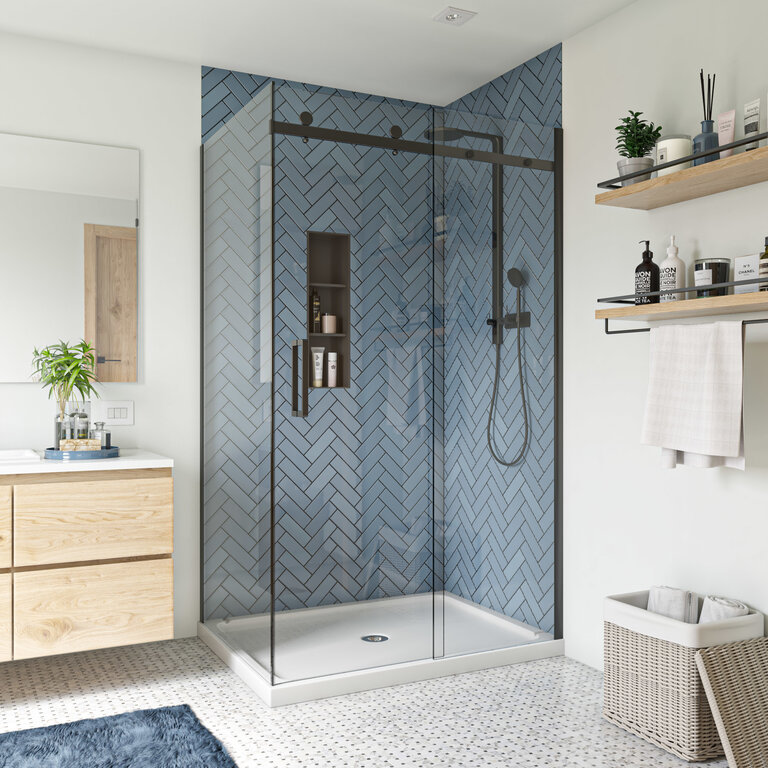
Why plan a bathroom renovation?
Proper planning prevents delays and unnecessary expenses. Renovation also improves comfort, ventilation, and the efficiency of fixtures. It’s also an opportunity to modernize the space with new bathroom furniture or better organization.
What budget should you plan for a bathroom renovation?
The cost depends on three factors:
- The size of the room
- The choice of materials, such as the vanity, sink, or tiles
- Labor costs for plumbing and electrical work
Typical ranges observed in Quebec:
- Small bathroom: $5,000 to $12,000
- Full bathroom: $12,000 to $25,000
- High-end project: $25,000 and up
To reduce costs, you can keep existing plumbing or choose simpler furniture, such as a wall-mounted vanity or an inset sink.

Key steps in a bathroom renovation
1. Needs Assessment
Define your style, desired storage, and space constraints. This is when you choose the modern bathroom vanity that fits your needs.
2. Planning and Budgeting
Measure the room and plan materials. Choose main elements early: vanity, sink, shower, mirror. Good planning reduces unexpected issues.
3. Demolition
Remove old furniture, take off coverings, and check plumbing condition. Consider a quick inspection to detect moisture or mold.
4. Technical Work
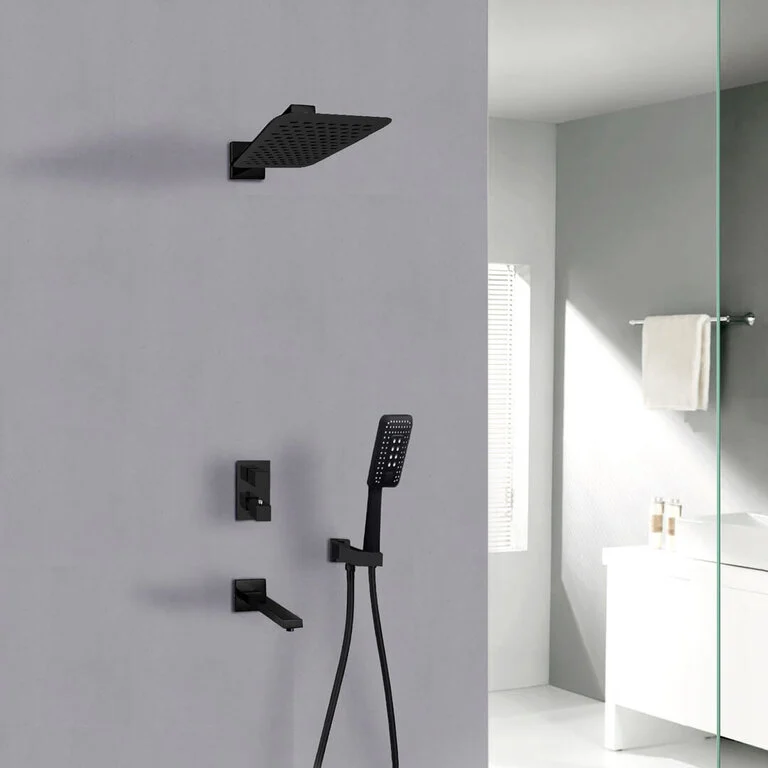
Plumbing, electrical work, and ventilation must comply with regulations. If you’re installing a modern shower, consider Italian-style shower panels to save installation time.
5. Furniture Installation
Install the vanity, sink, mirror, shower, or bathtub. Poorly installed furniture can cause sealing issues. If replacing a bathtub, compare models, such as a freestanding tub, to modernize the space.
6. Surfaces and Coverings
Install tiles, wall panels, and waterproof paint. Proper preparation ensures durable installation.
7. Finishing Touches
Faucets, accessories, sealing, and lighting. This stage gives the final style. You can complete the renovation with an LED-lit mirror for a clean and practical look.
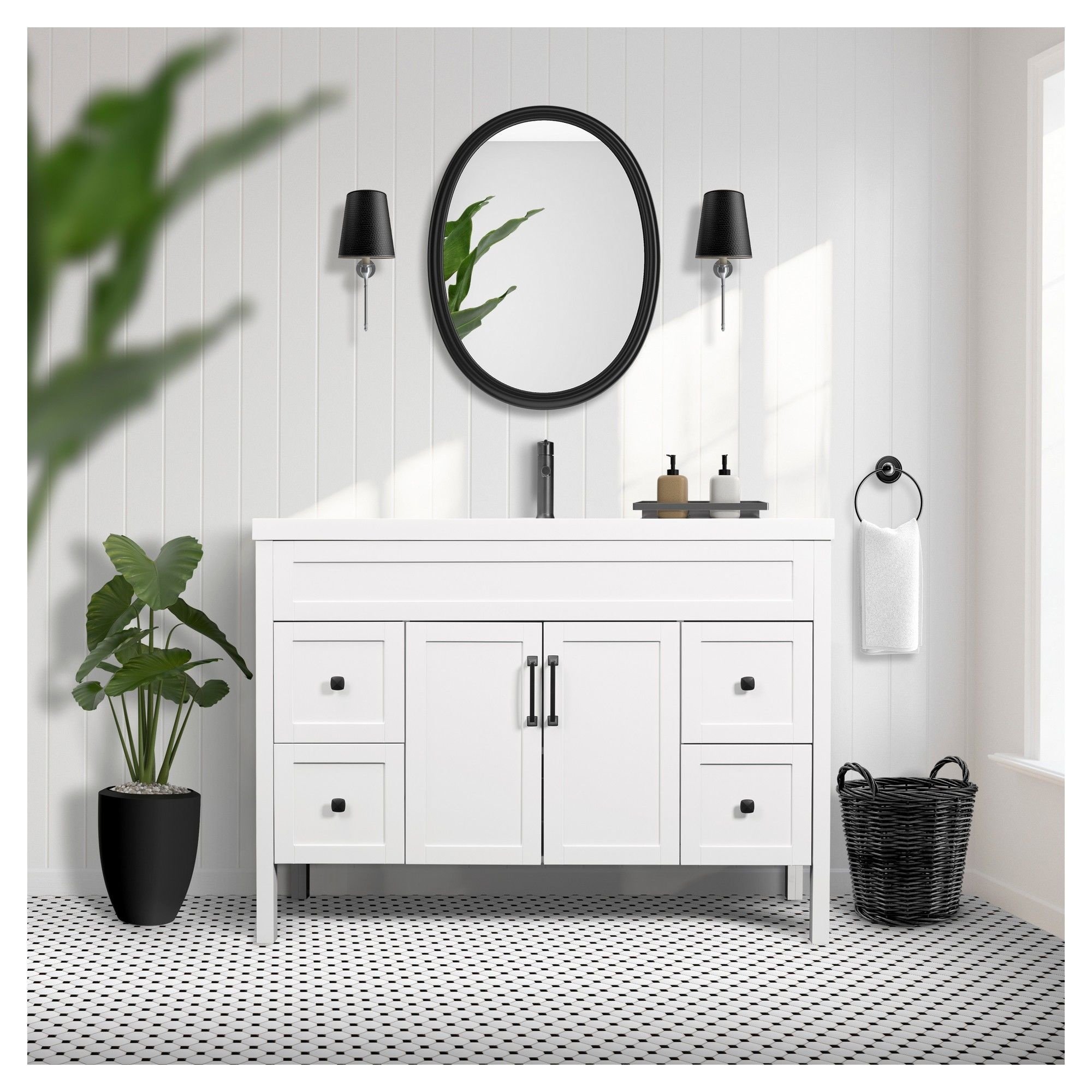
Common mistakes to avoid
- Underestimating the real budget
- Forgetting ventilation
- Choosing materials not suited to humidity
- Buying furniture before measuring
- Ignoring delivery times
Tips for a successful project
- Prioritize essential elements: vanity, shower, faucets
- Choose durable materials
- Consider vertical storage
- Check warranties and after-sales service
FAQ
How long does a full renovation take?
Between one and three weeks, depending on the work.
Do I need to renovate the entire bathroom?
Not always. Many homeowners renovate in stages.
Which materials last the longest?
Quartz, ceramic, wall panels, porcelain.
Does a renovation increase property value?
Yes. A modern bathroom strongly influences buyers.
Summary
A successful bathroom renovation relies on a clear budget, thorough preparation, and choices suited to the space. Key steps: planning, demolition, installation, finishing. The choice of furniture—vanity, sink, mirror, shower—directly impacts comfort and home value.