

Login
Log in if you have an account
Register
By creating an account with our store, you will be able to move through the checkout process faster, store multiple addresses, view and track your orders in your account, and more.
Create an accountShower Wall Panels vs. Ceramic Tile: Pros/Cons, Waterproofing, Maintenance and Total Cost
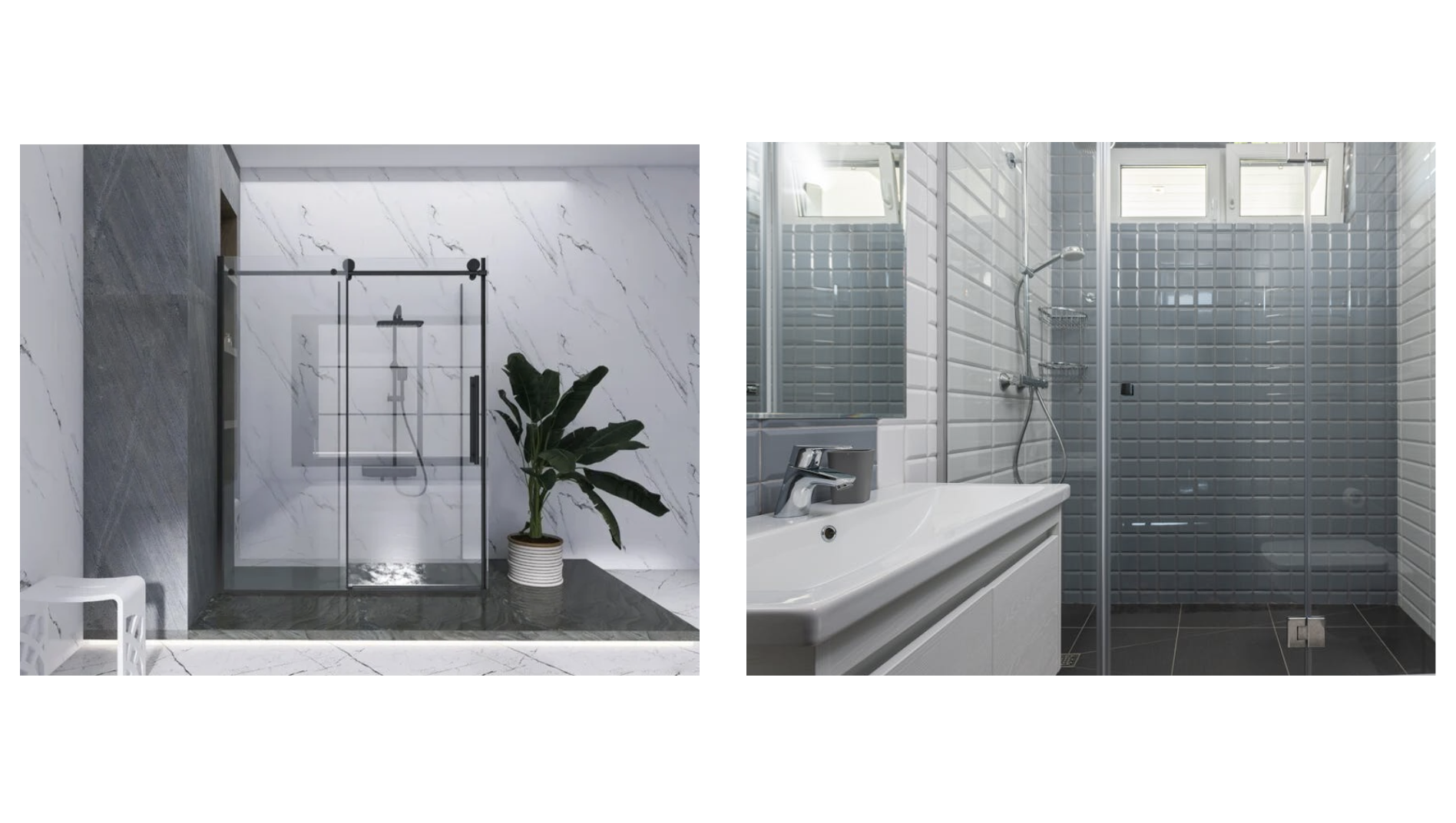
Choosing between shower wall panels and ceramic tile affects everything from style to durability, waterproofing, maintenance and budget. In this guide "Shower Wall Panels vs. Ceramic Tile: Pros/Cons, Waterproofing, Maintenance and Total Cost," you'll get a clear picture of what each solution offers, what it demands over the long term, and how to estimate the true cost (materials + installation + maintenance).
Whether you're renovating an existing shower or planning a brand-new bathroom, the goal is simple: a durable, waterproof, easy-to-clean shower wall that fits your budget.
Understanding the Two Options: Wall Panels vs. Ceramic Tile
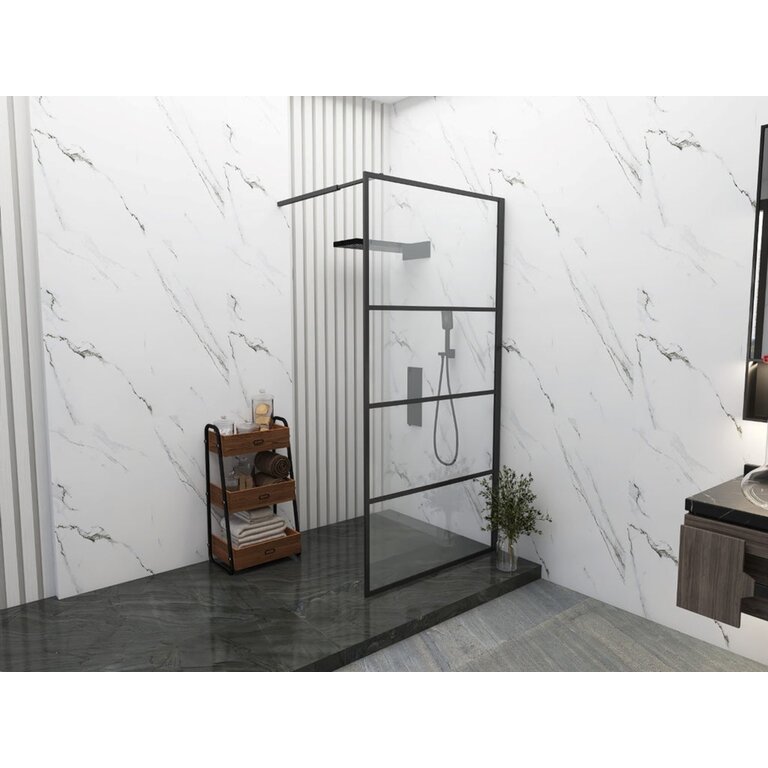
Shower Wall Panels (PVC, composite, acrylic, etc.)
Shower wall panels are large coverings (often in sheet form) designed to quickly cover walls. A PVC shower wall is particularly popular for renovations, as it's lightweight, easy to cut, and can often be installed directly over an existing surface (depending on condition and manufacturer recommendations).
To explore available models, finishes and formats, browse the shower wall panel collection.
Ceramic Tile in the Shower (tiles + grout)
Ceramic tile remains a classic: wall tiles, corner pieces, listels and custom configurations. It offers a high-end look and great design freedom, but involves grout joints and a more technical installation. To see available styles, browse the ceramic tile selection.
Pros and Cons: A Clear Comparison

Shower Wall Panels: Strengths
-
Fast installation: fewer steps than a tiled wall (no rows to align, no grout to apply).
-
Fewer joints: more continuous surfaces, which helps with cleanliness and leak prevention.
-
Simplified maintenance: cleaning focuses mainly on the surface and peripheral joints (silicone).
-
Ideal for renovations: a PVC shower wall can speed up a project and reduce labor costs.
Shower Wall Panels: Limitations
-
Localized repairs can be trickier: an impact or puncture may require a more visible fix depending on the product.
-
Variable quality: some entry-level panels scratch more easily or age less gracefully.
-
Less extreme customization: compared to tile, creating complex patterns is more limited.
Ceramic Tile: Strengths
-
Custom aesthetics: formats, textures, patterns, niches, decorative strips.
-
Excellent heat and wear resistance: the tile itself is highly durable over time.
-
Perceived value: a ceramic tile shower is often associated with a high-end finish.
Ceramic Tile: Limitations
-
More grout = more maintenance: grout can stain, wear down, or promote mold growth if poorly maintained.
-
Longer and more technical installation: substrate prep, membrane, leveling, grouting, drying time.
-
Higher installation cost: labor weighs heavily in the total cost of a ceramic tile shower.
Shower Waterproofing: Where the Real Difference Lies
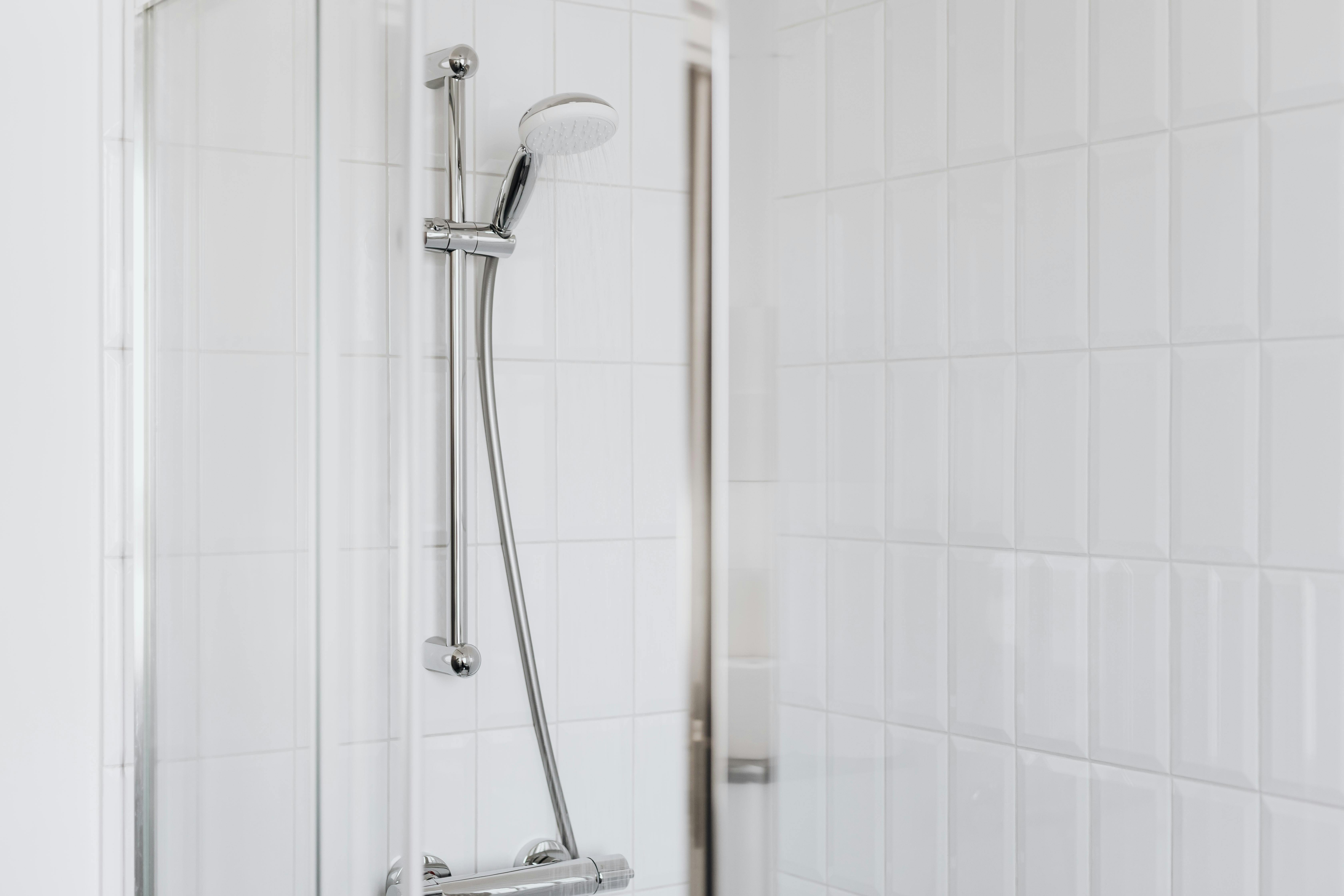
The critical point isn't just the visible surface covering, but the complete waterproofing system: substrate, membrane (or waterproof panel), joints, transitions and penetrations (fixtures, niches, grab bars, etc.).
Waterproofing with Wall Panels
Panels rely on continuous surfaces. Waterproofing then depends mainly on:
-
wall preparation (flat, solid surface as recommended by the manufacturer);
-
joint quality (profiles, grooves, or glued connections);
-
silicone at transition points (shower base, corners, perimeters).
When the joints are properly executed and penetrations are correctly sealed, this is a very high-performing solution — particularly for reducing risks associated with grout.
Waterproofing with Ceramic Tile
Contrary to popular belief, tile and grout alone are not sufficient. A ceramic tile shower must include a membrane or waterproof substrate. Shower waterproofing relies on:
-
an appropriate substrate (cement board or tile-ready panels depending on the system);
-
a membrane (liquid or sheet) properly applied;
-
corners and joints treated with tape/reinforcements;
-
adequate grout (often modified or epoxy) and regular maintenance.
When the system is executed correctly, ceramic tile is extremely durable. But a preparation or membrane error can be costly, as water infiltration is often invisible at first.
Day-to-Day Maintenance: What You'll Actually Experience
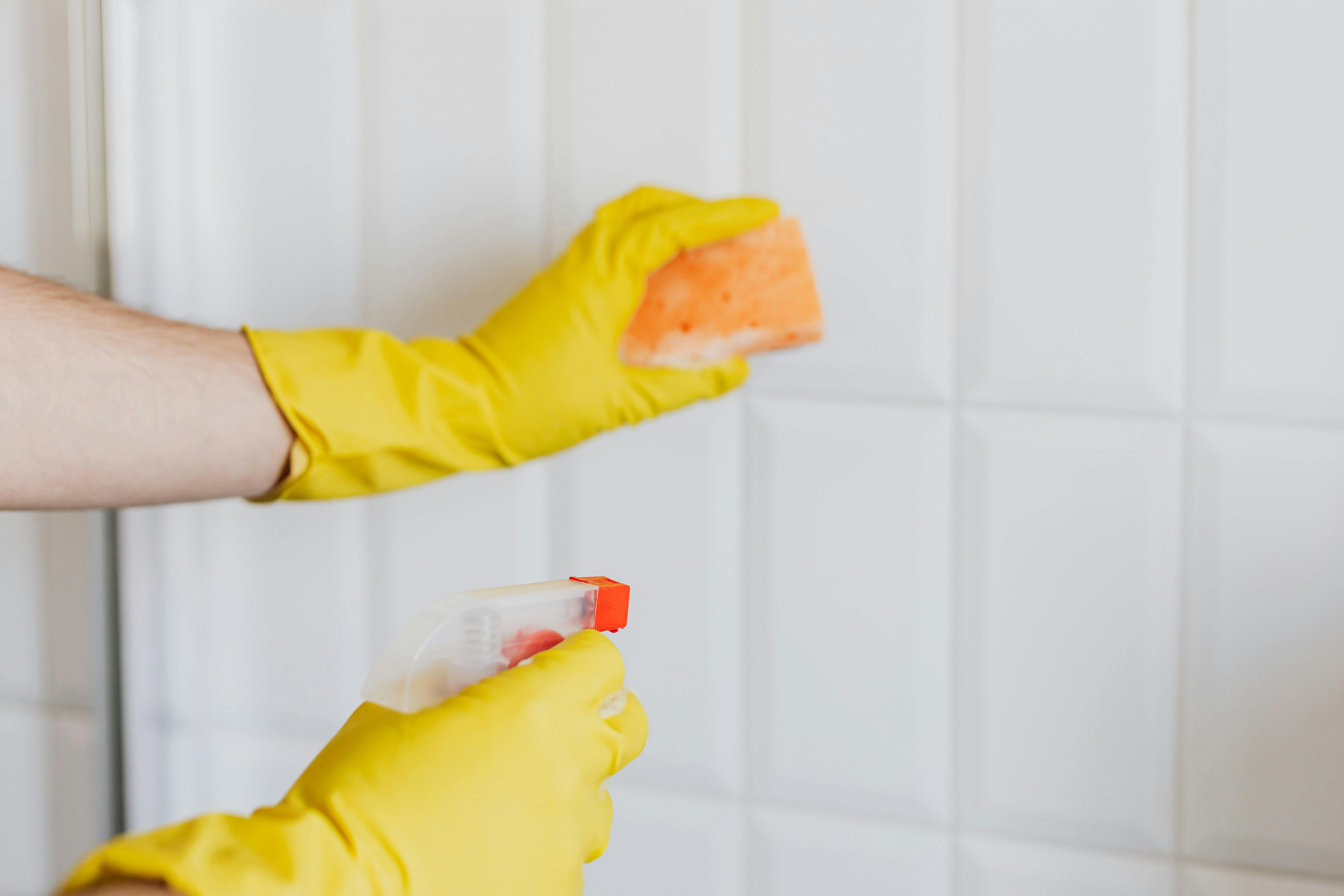
Maintaining Shower Wall Panels
-
Quick cleaning: mild soap or non-abrasive cleaner, microfiber cloth.
-
Fewer areas to scrub: no grout lines to whiten.
-
Silicone monitoring: most preventive maintenance focuses on peripheral joints (recaulking as needed).
Maintaining Ceramic Tile in the Shower
-
Grout requires attention: more frequent cleaning, risk of staining (hard water, soap, pigments).
-
Sealer (depending on grout type): some grouts require periodic sealing to limit absorption.
-
Appropriate products: avoid overly acidic or harsh cleaners depending on the materials.
In practice, if you want to minimize weekly cleaning time, panels often have the edge. If you love the look of tile and accept the joint maintenance, ceramic remains an excellent choice.
Total Cost: Materials, Installation and Life Cycle
Comparing price per square foot alone is misleading. The cost of a ceramic tile shower (and that of panels) depends on installation time, wall condition, complexity (niches, bench, large shower) and chosen materials.
Wall Panels: What to Expect
-
Materials: panels + adhesives/profiles + silicone.
-
Often reduced labor: fewer steps (no grouting), shorter timelines.
-
Future costs: mainly maintenance or occasional replacement of silicone joints.
For a project where time and simplicity matter (quick renovation, rental unit, primary residence with limited availability), panels can offer an excellent cost-to-efficiency ratio.
Ceramic Tile: What to Expect
-
Materials: tiles, adhesive, grout, profiles/corners, membrane/waterproofing system, tools/consumables.
-
More significant labor: prep + installation + grouting + finishing, with drying time.
-
Future costs: more demanding cleaning; sometimes grout repair or recaulking.
The cost of a ceramic tile shower climbs quickly if you choose small formats (e.g. mosaic), complex patterns or multiple niches — as installation time increases significantly.
Which Choice Suits Your Project? (Decision Guide)
Choose wall panels if…
-
you want a fast, easy-to-maintain solution;
-
you prioritize shower waterproofing with fewer grout joints;
-
you want better control over installation costs.
Choose ceramic tile if…
-
you're looking for a fully custom design;
-
you're comfortable with grout maintenance (or you opt for solutions like epoxy grout);
-
you're investing in a high-end finish with professional installation.
Practical Tips to Reduce Problems (Regardless of the Finish)
-
Prioritize ventilation: a good exhaust fan reduces humidity, mold and odors.
-
Pay attention to transitions: corners, shower base, fixture surrounds — these are sensitive points for waterproofing.
-
Inspect periodically: a peeling joint is a quick fix; hidden water infiltration is costly.
-
Avoid abrasives: they can dull certain panel surfaces and wear down grout.
Conclusion: The Best Option Is the One That Fits Your Daily Life
Shower wall panels win on speed of installation, easy maintenance and a "fewer joints, fewer worries" approach. Ceramic tile shines with its custom aesthetics and perceived value, but demands flawless execution of the waterproofing system and more attention over the years. By evaluating the cost of ceramic tile (and panels) across the full project — materials, installation, maintenance — you'll make a lasting choice.
Ready to compare styles and find the ideal solution? Shop our shower wall panels now for a simplified installation, or explore our ceramic tile selection for a fully custom shower look.