

Login
Log in if you have an account
Register
By creating an account with our store, you will be able to move through the checkout process faster, store multiple addresses, view and track your orders in your account, and more.
Create an accountHow to Choose an LED Bathroom Mirror: Size, Shape, Features, and Installation
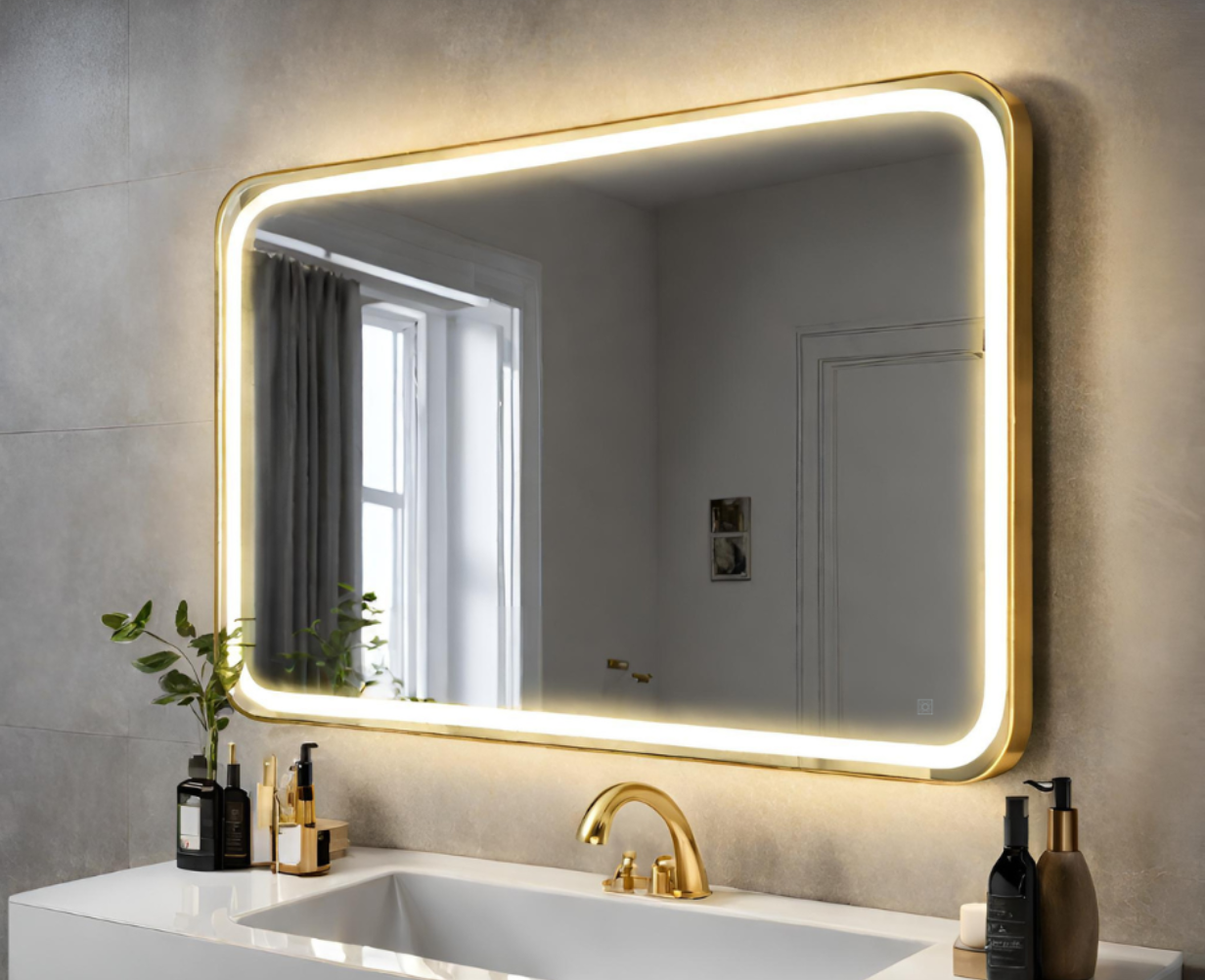
Why choose an LED mirror in the bathroom?
An LED bathroom mirror combines two essential everyday elements: a high-quality reflective surface and lighting designed for the face. Unlike a single ceiling light (often too high and too diffused), a mirror with integrated lighting provides more even illumination for makeup, shaving, or skincare. The result: fewer shadows under the eyes and chin, and a more modern bathroom without multiplying light fixtures.
From a practical standpoint, LED lighting uses little energy, lasts a long time, and comes in several color temperatures. Many models also include useful features (dimming, anti-fog, touch sensor), which can make a real difference in a humid space used multiple times a day.
1) Choosing the right size: width, height, and proportions
Size is the first criterion when choosing a bathroom mirror correctly. A mirror that’s too small looks lost above the vanity, while one that’s too large can interfere with storage or visually “weigh down” the wall.
Width: the most reliable rule
- Ideally, the mirror should be the same width as the vanity or slightly smaller (typically 2 to 5 cm less on each side). This creates a clean and balanced alignment.
- For a double-sink vanity, you have two options: one large mirror spanning the entire width, or two mirrors (one per sink) for a more architectural look.
Height: user comfort
- Aim for a height that allows most users to see themselves from head to shoulders. In many bathrooms, 70 to 90 cm works well, but adjust based on your layout and ceiling height.
- If the LED mirror serves as the main facial light source, a taller mirror improves light distribution and reduces shadows.
Space between vanity and mirror
- Generally leave 10 to 20 cm between the countertop/backsplash and the bottom of the mirror. Adjust if you have a tall faucet or a shelf.
To explore different dimensions and styles, you can compare options in the LED Mirrors collection or the broader Mirrors collection.
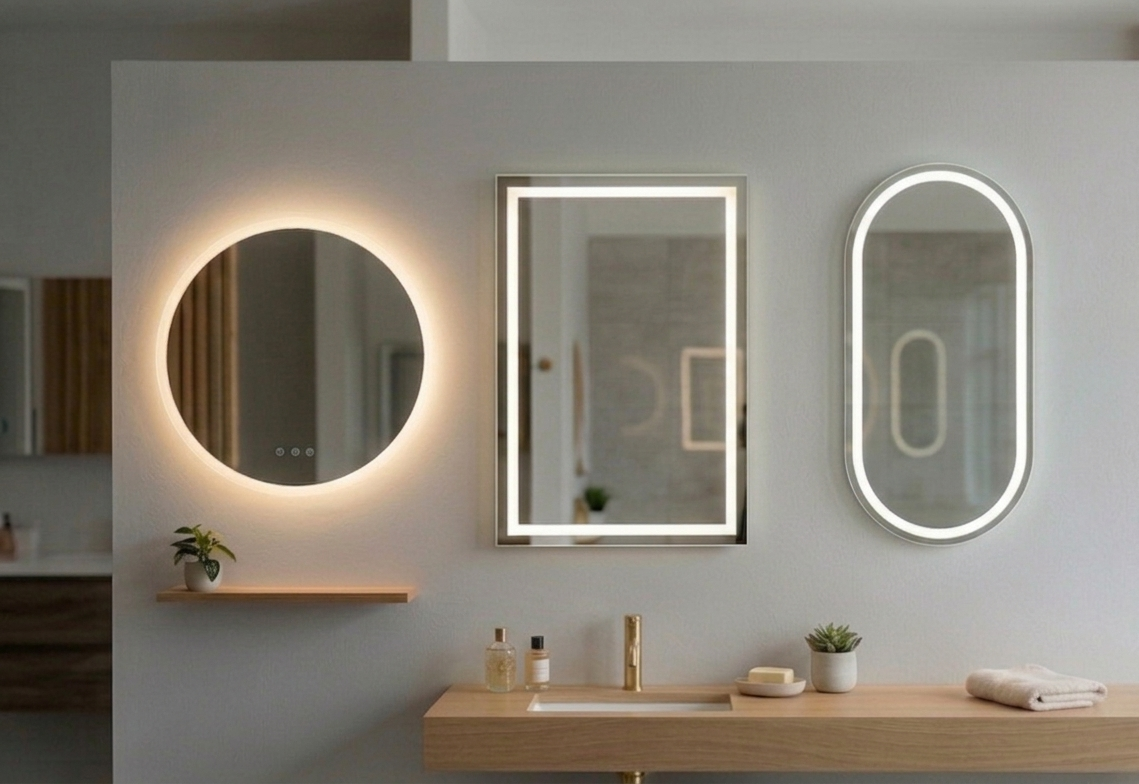
2) Which shape to choose: round, rectangular, oval, or capsule?
Shape influences both aesthetics and the perception of space. It should complement the vanity, faucets, and overall room design.
- Rectangular: the most versatile choice. Aligns easily with a rectangular vanity and suits contemporary and minimalist styles.
- Round: softens the space and adds elegant contrast to straight lines. Very popular for a spa-like look.
- Oval: a balance between round and rectangular, ideal if you want softness with a bit more vertical presence.
- Capsule (stadium): trendy, elongates the wall, and pairs well with matte black or chrome finishes.
Tip: If your bathroom is small, a rounded shape can make it feel less “boxy” and visually lighter. If you want a more structured look, a sharp-cornered rectangle reinforces the architecture.

3) Understanding lighting: lumens, color temperature, and color rendering
Two LED mirrors may look similar but offer very different experiences. To evaluate one, focus on three things: brightness, color, and accuracy.
Lumens: enough light without glare
Lumens indicate the amount of light emitted. An LED mirror can serve as accent lighting or contribute to the main lighting near the sink.
- If you already have effective wall sconces, the mirror can be more ambient.
- If it’s your main face light source, choose a brighter and ideally dimmable model.
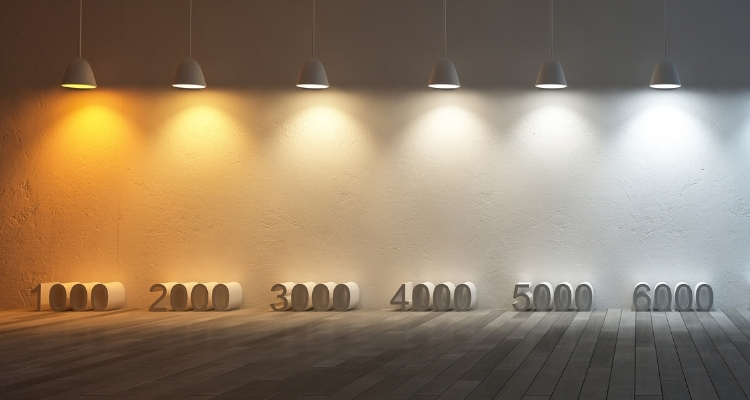
Color temperature (Kelvin): 3000K, 4000K, 5000K?
- 3000K (warm white): cozy atmosphere, pleasant in the evening, but slightly yellowish.
- 4000K (neutral white): excellent compromise for bathrooms—natural and versatile.
- 5000K+ (cool white): very crisp, clinical style, great for precision but sometimes less flattering.
Adjustable temperature models are practical: neutral in the morning, warmer in the evening.
Color Rendering Index (CRI): a detail that matters
CRI measures how accurately colors are reproduced. For makeup, shaving, and skin tone, aim for CRI 90+ when possible. It’s a real advantage to avoid surprises outside the bathroom.
4) Useful features: anti-fog, dimming, memory, and more
Features aren’t just gadgets if they match your usage. Here are the ones that usually add real value:
- Anti-fog (defogger): very useful if the bathroom is used for hot showers. Often centered—make sure the heated area matches your eye level.
- Dimming: lets you adjust brightness depending on time and ambiance, avoiding harsh light at night.
- Adjustable temperature: switch between warm, neutral, and cool light.
- Memory function: the mirror turns back on with your last settings—very convenient.
- Touch control or sensor: practical, but consider maintenance (fingerprints).
- Clock/display: useful if you don’t have one in the room, but secondary to lighting quality.
Before choosing, think about what you’ll actually use. A good balance is often: dimming + adjustable temperature, and anti-fog if ventilation is limited or the shower is frequently used.
5) Framed or frameless: style, maintenance, and durability
An LED mirror can be frameless (clean, modern look) or framed (more decorative and easier to match with fixtures).
- Frameless: emphasizes the light halo and visually enlarges the space. Ideal for minimalist styles.
- Framed: adds character. The frame can match finishes (black, brass, chrome) to unify the bathroom.
For maintenance, frameless models require regular cleaning of edges and surface. Frames can hide some marks but also need upkeep depending on the finish.
6) Technical considerations before buying: safety and electrical compatibility
Bathrooms have specific requirements (humidity, splashes). For an LED mirror, check:
- Ingress Protection (IP rating): suitable for humid environments, especially near showers or water sources.
- Connection type: plug-in or hardwired. Hardwiring looks cleaner but may require an electrician.
- Switch control: some mirrors only work via touch button; others can connect to a wall switch.
- Voltage and certification: ensure compliance with Canadian standards.
7) LED mirror installation: steps, height, and mistakes to avoid
Installation depends on the model (plug-in or hardwired), wall type, and electrical box placement. If you’re not comfortable with electrical work, hire a professional.
General steps (overview)
- Plan the height: mark the sink centerline and desired mirror bottom height.
- Check the wall: locate studs or use proper anchors. LED mirrors can be heavy—secure mounting is crucial.
- Prepare power: align the electrical outlet/junction box with the mirror’s connection point (based on manufacturer template).
- Mount the bracket: install the support bar or anchors level.
- Connect (if required): turn off power, wire according to instructions, and close properly.
- Hang and test: check lighting, dimming, anti-fog, and stability.
Common mistakes
- Installing too high: reduces usability and lighting effectiveness.
- Poor alignment with the vanity: even slight offsets are noticeable.
- Inadequate mounting hardware: risk of movement or falling.
- Ignoring steam: without anti-fog or good ventilation, mirrors fog up quickly—especially in winter.

8) Choosing based on your project: renovation, replacement, or new vanity
Your context influences the best choice:
- Simple replacement: choose a mirror close in size to the existing one and compatible with current wiring (plug vs hardwired).
- Full renovation: ideal time to center electrical behind the mirror, add a wall switch, and optimize overall lighting (ceiling + mirror).
- New vanity: start with vanity width, then select a mirror for a cohesive composition. You can compare vanity options first, then choose a matching mirror.
Quick checklist before buying
- Dimensions: width close to vanity, comfortable height
- Shape: consistent with style (round to soften, rectangular to structure)
- Lighting: sufficient lumens, ideally 4000K or adjustable, CRI 90+ if possible
- Features: dimming, adjustable temperature, anti-fog if needed
- Installation: wiring type, electrical placement, proper mounting
- Humidity: appropriate IP rating for bathroom use
By evaluating these points, you’ll be able to choose a bathroom mirror with confidence and achieve a result that is both stylish, comfortable, and durable. To compare styles and features, explore the LED mirrorselection and keep your setup (vanity, existing lighting, wiring) at the center of your decision.